“Exeter is ancient and stinks,” said Robert Southey of the Devon county town. Like most cities I’ve visited recently, Exeter could do with a bit of investment. There are a few run-down areas and little new building; the shopping centre consists mostly of the same shopfronts you can find in any other British town.
Exeter is a UNESCO City of Literature, due to the wealth of literary heritage in the city, particularly the number of archives and libraries. The Devon and Exeter Institution, just north of the cathedral, has been a subscription library since 1814. It is worthy of note as the first library to admit female members and the first to employ a full-time female librarian, Eliza Squance, in 1849. The cathedral library holds a wealth of Anglo-Saxon literature, including the Exeter Book of riddles, while the University library houses John Betjeman’s personal archive along with the “Hypatia” collection of women’s writing. All these libraries are open to the public by appointment.
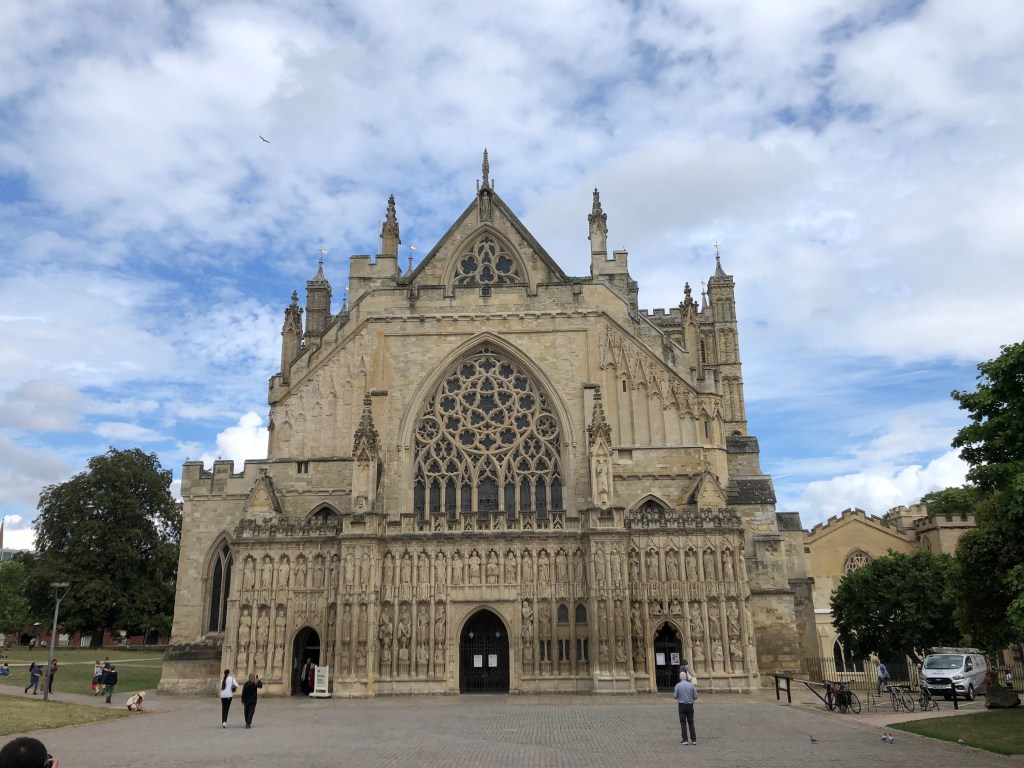
The town is centred on the squat, Gothic form of the cathedral. To reach it, I walked up Fore Street, once the home of Thomas Latimer. In 1853, Charles Dickens was sent to Exeter as a young journalist to cover a local election. He lodged with Latimer, and the two became friends. Dickens would stay with him in Fore Street whenever he visited the city. Dickens was quite familiar with Exeter, as his parents lived in Mile End Cottage on Topsham Road, where they moved in 1839.
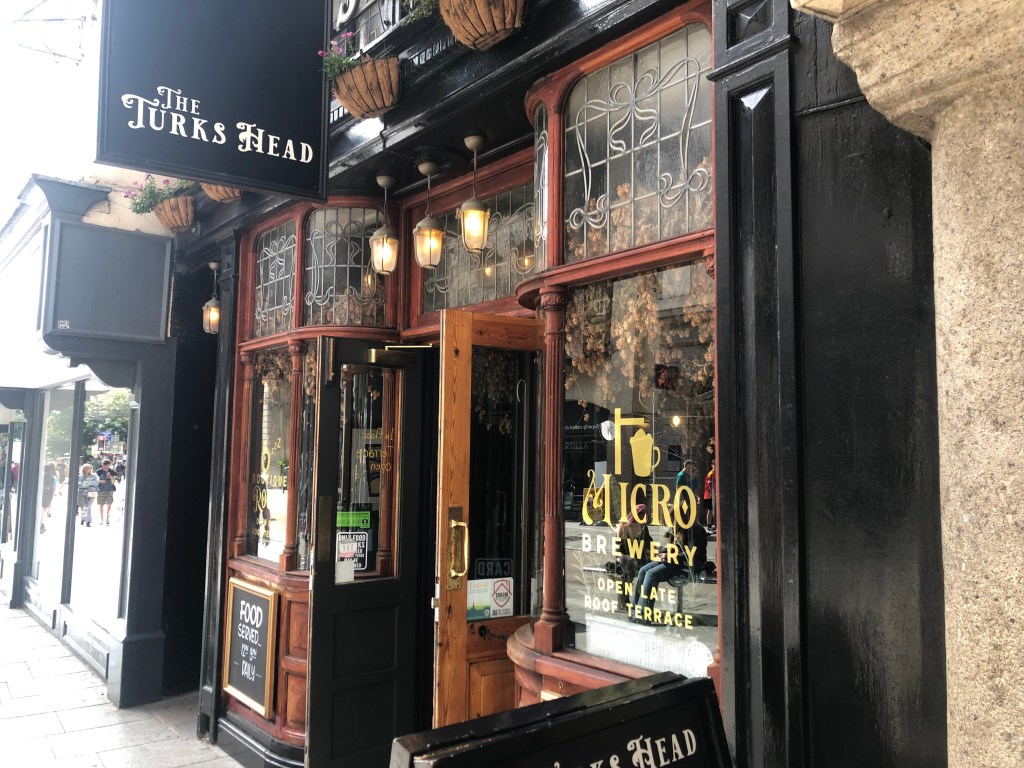
The Turk’s Head Hotel also has a Dickens connection: the author would visit during his stays in the city. The Turk’s Head is a long, rambling building with entrances on two streets. Its pleasant Victorian interior includes the pub’s own microbrewery, set behind a glass partition so visitors can observe the brewing process. There is a Dickens Corner, though it sadly lacks information or memorabilia. Elsewhere in the city you’ll find plaques to Sabine Baring-Gould, collector of folklore and creator of werewolf tales, born in Exeter in 1834, and Mary Willcocks, romantic novelist and feminist, born in Exeter in 1869.
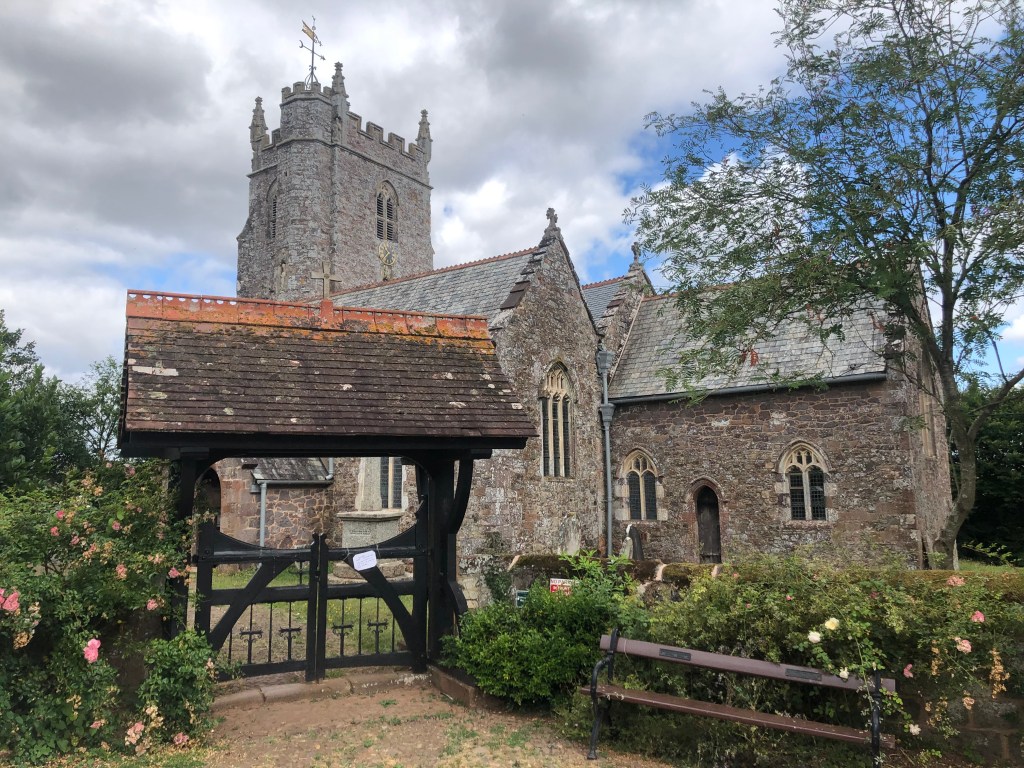
We stayed near the village of Upton Pyne. Jane Austen holidayed in Devon and, while her trips to Lyme Regis are well documented, she is also believed to have stayed in Upton Pyne, just north of Exeter. Several locations in the village have been identified as settings in Sense and Sensibility. Pyne House is thought to be the model for Barton House, while nearby Woodrow Barton Farm has been linked to the humble cottage where the Dashwood family move. The village church is said to have been the model for Elinor’s wedding venue.On our first day in the county, we travelled east to Ottery St Mary. This busy small town was the birthplace of Samuel Taylor Coleridge, born in 1772, the son of the vicar of St Mary’s. The church contains several artefacts relating to the poet, including a lovely bronze statue by Nicholas Dimbleby that stands in the churchyard. Inside, you will find a small exhibition featuring the poet’s baptismal record and documents relating to his father’s incumbency at the church.Walk east from the church and you will find the enigmatically named Land of Canaan. Here, in a public recreation space, the complete text of Kubla Khan is inscribed on kerbstones alongside the footpath. A short walk beyond the town allows you to follow the poet’s footsteps along country paths. One leads to a weir on the River Otter, where Samuel spent the night in the woods at the age of seven, after running away from home because of an argument about cheese. To the south of the town lies the Pixies’ Parlour, a cave in the sandstone cliffs by the river, where Samuel would escort young ladies of his acquaintanceDriving south from Ottery brings you to the charming seaside town of Sidmouth, a long-standing favourite among literary figures. John Betjeman, Robert Southey, J. R. R. Tolkien, Elizabeth Barrett, David Jones and R. F. Delderfield all had connections here. The lovely little town museum provides all the details.
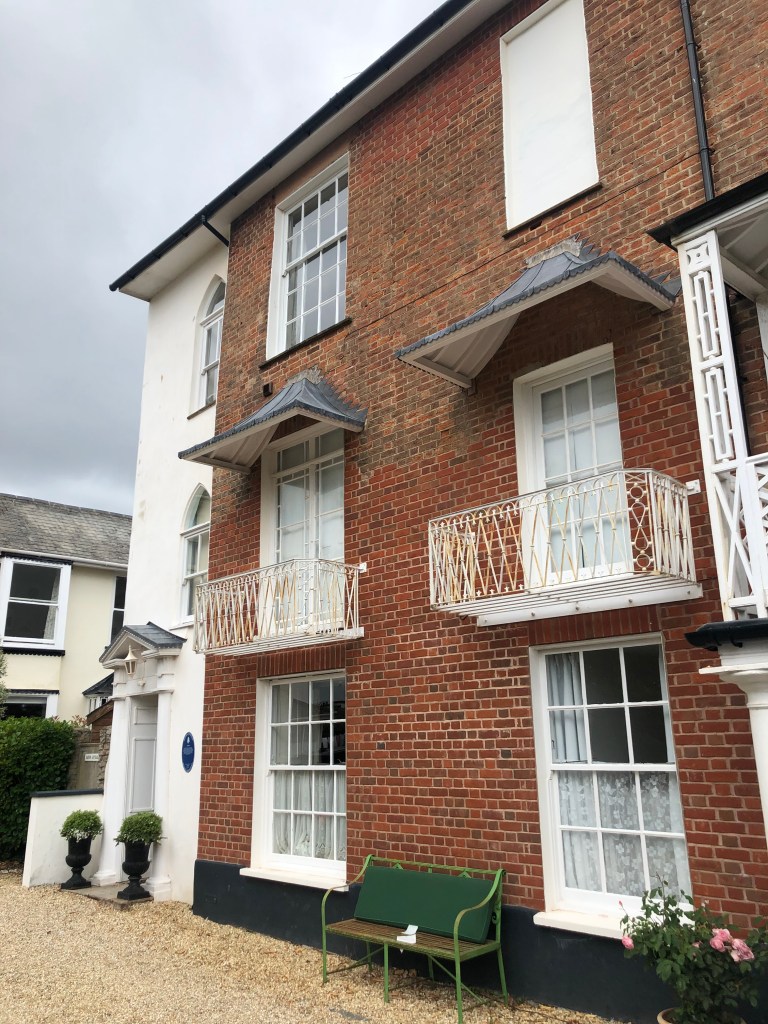
Delderfield was born and raised in Sidmouth; a plaque on the clifftop at Peak Hill Road commemorates him. You can also see Dove Cottage, the home he built for himself in 1926. Along the coast in Exmouth, The Chronicle restaurant now occupies the former offices of the Exmouth Chronicle, run by the Delderfield family from 1925.
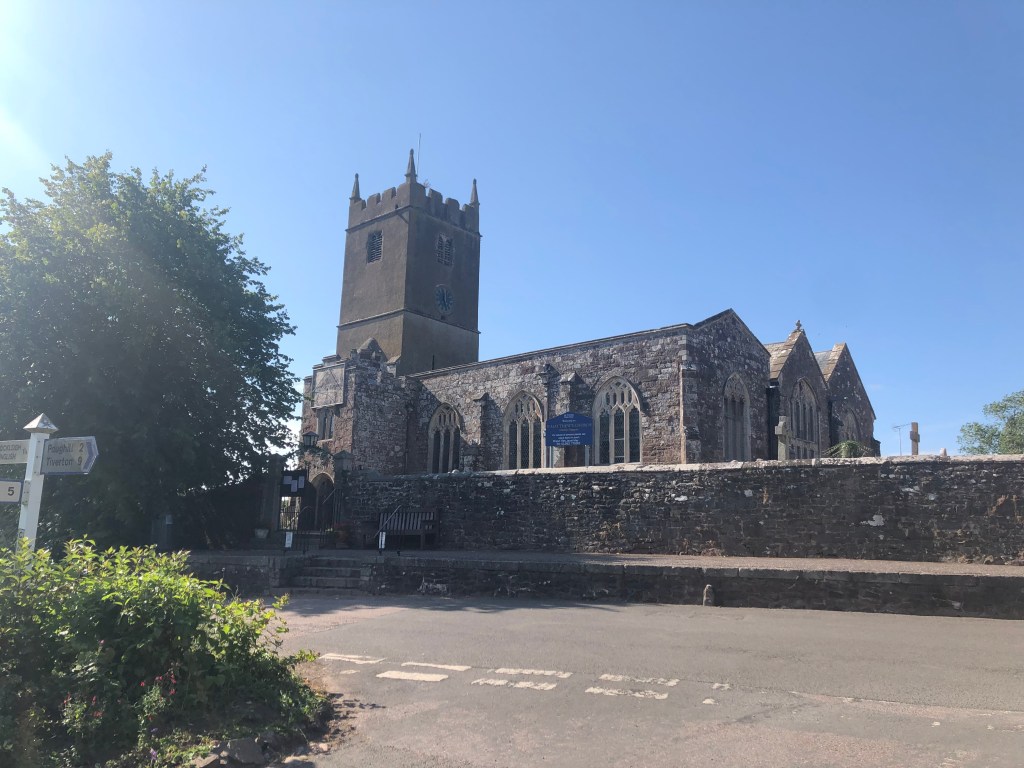
In the quiet village churchyard of St Matthew’s in Cheriton Fitzpaine lies the grave of Jean Rhys. Born in Dominica in 1890, she spent her early life in the Caribbean before moving to Cheriton Fitzpaine, where she lived at “Landboat Cottage” on the far eastern edge of the village. She died there in 1979. Her most famous novel, Wide Sargasso Sea, tells the story of the early life of Bertha Mason, Mr Rochester’s attic-incarcerated wife in Jane Eyre.
The following day we explored the western side of the River Exe, centred on Torquay, where we discovered a wealth of famous authors, including Keats, Ted Hughes, and of course Agatha Christie. You can read about that part of the trip in the next instalment.
 Literary Britain
Leave a comment