
A walk around Manchester in search of libraries and pubs
Mrs. P and I love a city break. As my wife has a particular interest in shopping, she is able to indulge her love of artisanal stores, whilst I wander about looking at interesting things and finding out about the city’s literary heritage.
We were lucky enough to stay in St. Peter’s Square, in the very heart of Manchester and it was thriving. Day and night the city buzzes with excitement and activity. It still has the beating heart of an industrial town, with people bustling to and from work, just as Lowry depicted them, only with cars and trams rather than boots and bicycles.
“… the continual clank of machinery and the long groaning roar of the steam-engine, enough to deafen those who lived within the enclosure.”
Elizabeth Gaskell, North and South
We loved the trams, there’s an unbroken stream of them through the city centre, making their way to outlying suburbs and small towns beyond. They also make the most fantastic noises: clanking along the tracks, their motors winding down and tooting at stray passers by.
We didn’t need to use the trams, however, as the city centre is very compact and easy to walk around in a day. We found, amongst the nice little coffee shop and many, many restaurants, a nice little place for breakfast, right opposite the Art Gallery. I had pancakes with bacon and a wonderful coffee before setting off to discover the town.
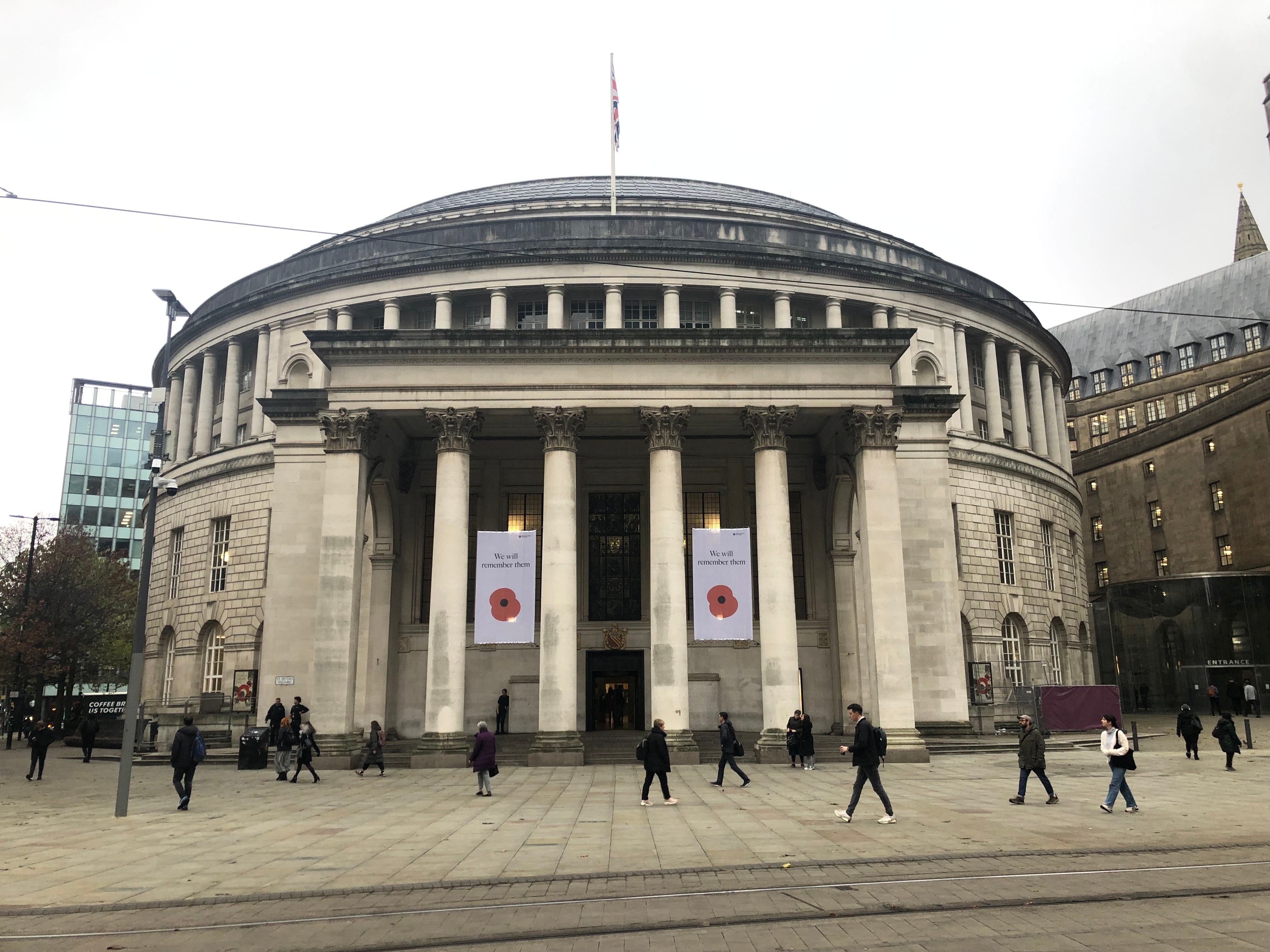
St Peter’s Field, of which the Square is the last surviving open space, was home to one of the most significant events in British history, the Peterloo massacre. A demonstration, demanding universal suffrage for all adult males, was attacked by cavalry of the Manchester Yeomanry, killing eighteen and injuring hundreds more. There is a memorial to the victims outside the convention centre on Windmill Street. St. Peter’s Square is dominated by two buildings: the Town Hall – which was clad in scaffolding and sheeted, looking more like a sailing ship than an austere, gothic building – and the Central Library.
Manchester was the first city to provide a public library – Charles Dickens was there for the opening ceremony in 1850. The current building dates from 1920 and was based on the Pantheon in Rome. Inside, a large central reading room dominates but explore a little and you will find little reading rooms and exhibition rooms tucked away throughout the building. On my visit I saw a Manchester theatres exhibition and a local history display. They hold the archive of Manchester theatre history, along with other collections, including the Gaskell, Bronte and De Quincey collections, which you can view by appointment.
From the square I walked North, past a very grand hotel that occupies the site of the Free Trade Hall. This was once the home of the Hallé Orchestra; Charles Dickens gave a reading here in 1867 and Christabel Pankhurst was forcibly ejected from the hall in 1905, for asking a question about Female suffrage during a political discussion (The nerve!). Concerts continued here in the 20th Century, with Bob Dylan playing his first electric concert in 1966; prompting a shout of ‘Judas’ from the audience; and, in the 1970s, The Sex Pistols played one of Punk Rock’s first concerts here, watched by the next great wave of Manchester musicians.
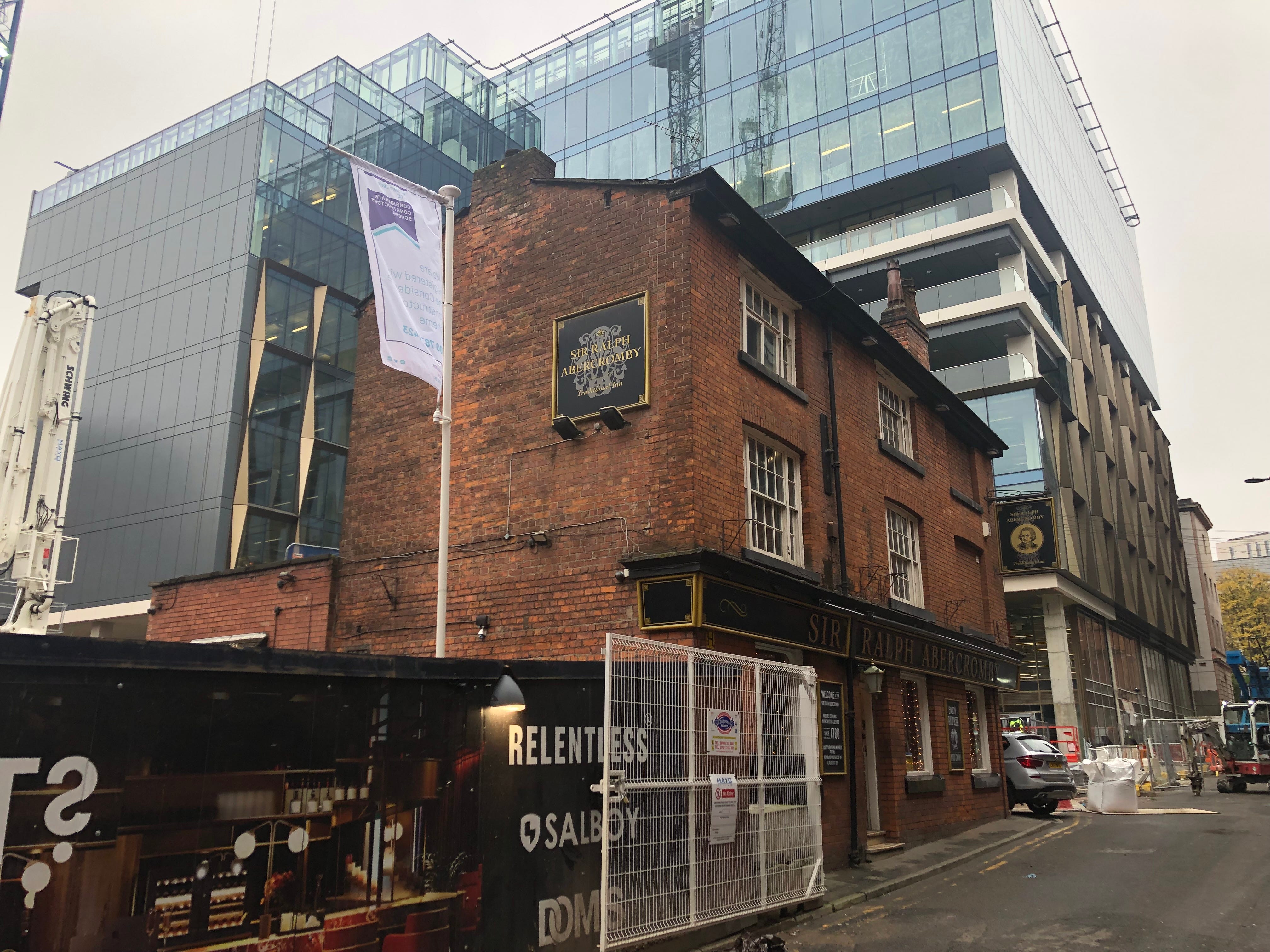
Just over the road was the first of many pubs I would be visiting today. Sir Ralph Abercromby is a traditional old boozer: a plain red-brick building with stripped floors and woodwork. A young John Cooper-Clark, punk poet and national treasure, used to come to this pub in the seventies. I don’t know if he ever performed here but it was nice to take refreshment in a place with a literary heritage, albeit a recent one.
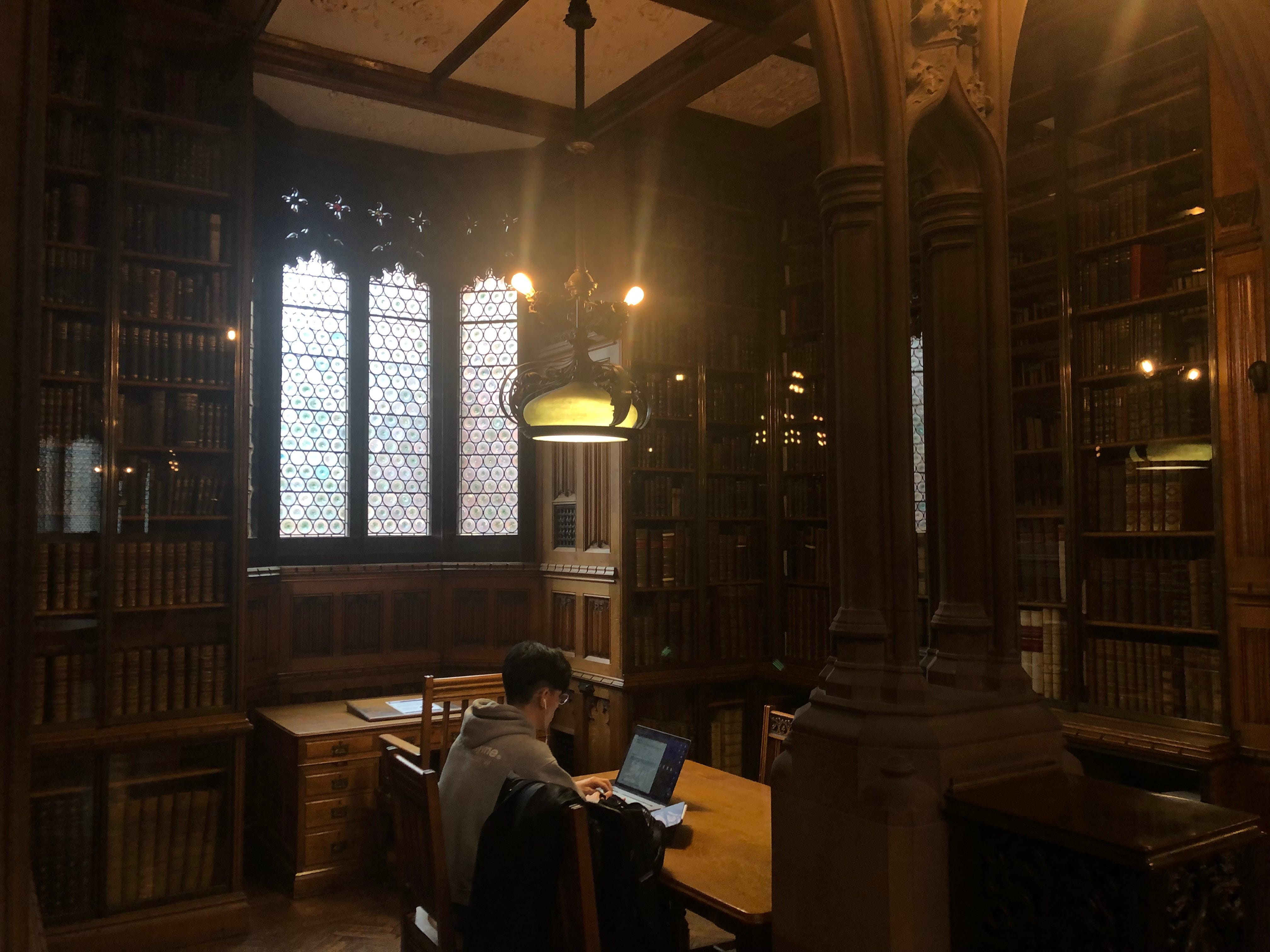
I pressed on further North to the John Rylands Lbrary. A huge chunk of chocolate sandstone and probably the most famous library in the city, it is certainly popular with visitors. Even when undergoing repairs, I had to join a long queue to get inside. Thankfully, the queue moved quickly and I was able to explore the interior. A magnificent central space, galleried and vaulted like a cathedral to the written word. There are small, quiet reading nooks lining the inside and it would be possible to pass a few hours undisturbed here. Unfortunately, I didn’t have a few hours and continued my journey, west towards the River Irwell and People’s History Museum.
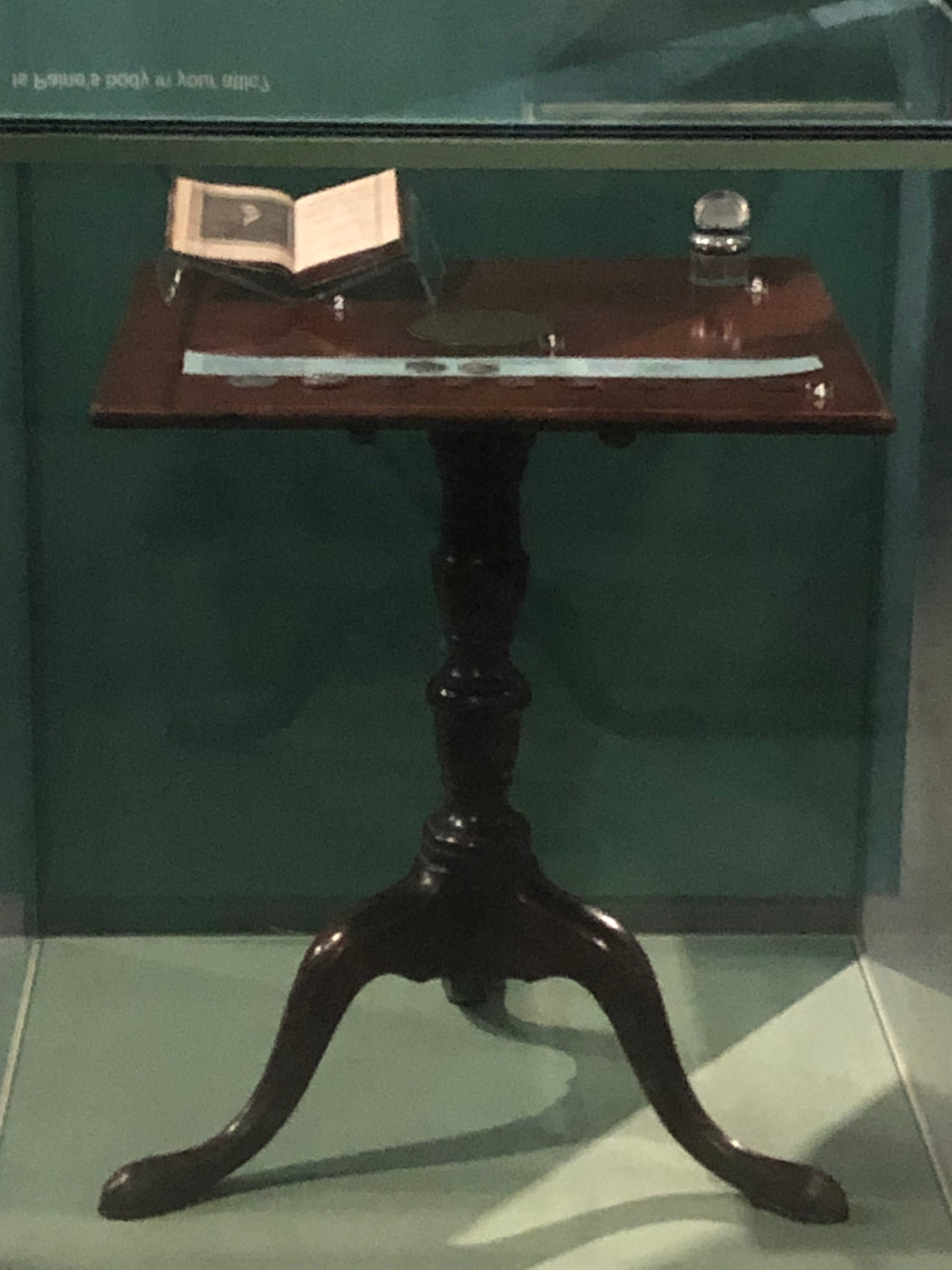
The museum tells the story of those who have fought for democracy. There are artefacts relating to unions and to the suffrage movement, all beautifully laid out in the two exhibition halls. I was here to see an exhibit about Thomas Paine. Paine was an English radical, born in Norfolk in 1737, he travelled to France to witness the revolution first hand. He had previously lived in America, where he became acquainted with George Washington and Thomas Jefferson. He even suggested to Washington that ‘United States’ would be a pretty good name for a country. He wrote several political pamphlets, including “Rights of Man”, “Age of Reason” and “Common Sense”, which remain influential to this day.
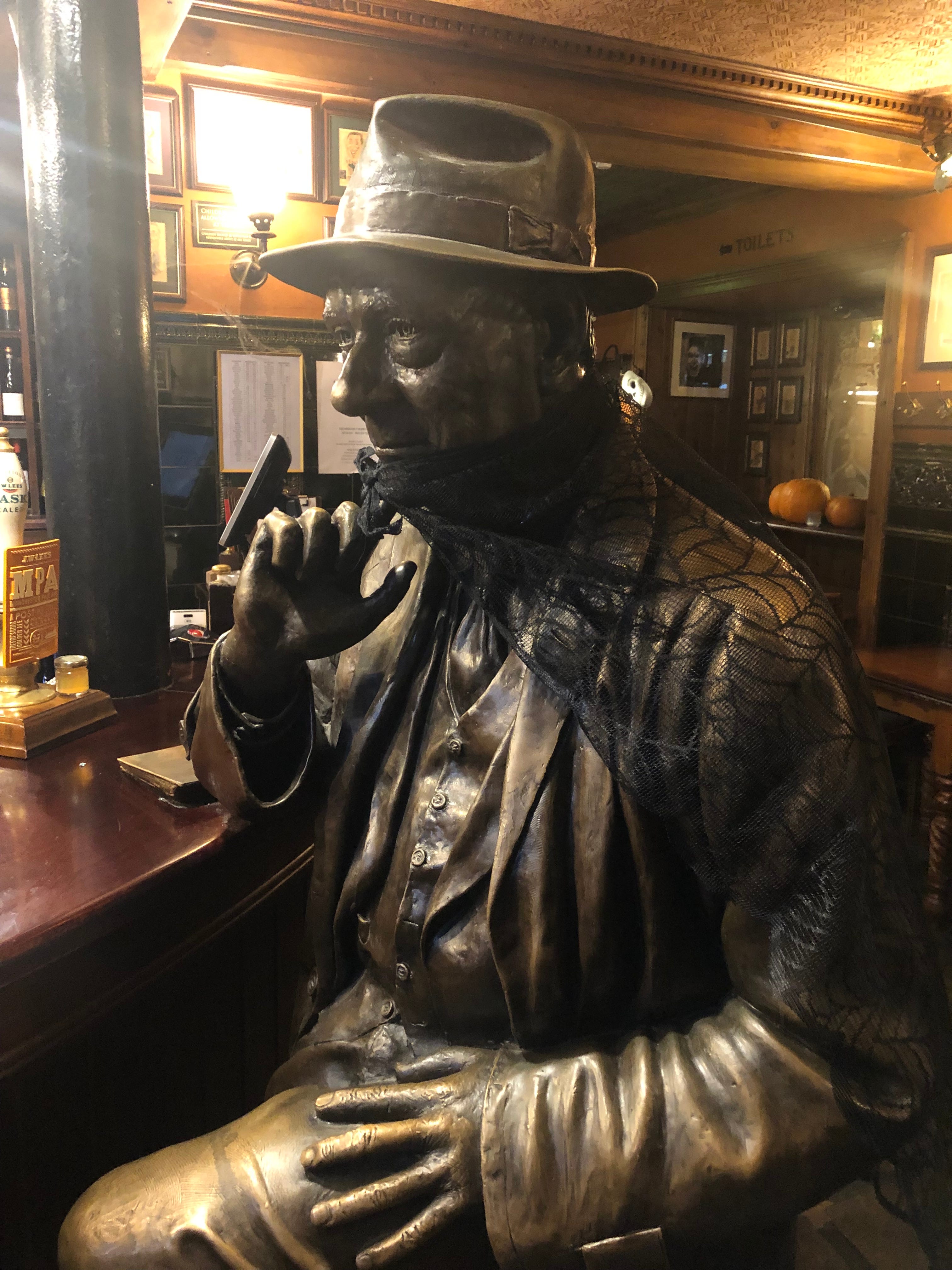
I was becoming quite thirsty after all this museuming, so I wandered back towards the centre of the city via Cross Street, where the chapel where Willam Gaskell preached once stood and where Thomas De Quincey was born. Both buildings sadly are long gone. My destination was Sam’s Chop House, a delightful cellar bar and restaurant which was busy: crowded and thriving. I had a pint and found a stool from which I could admire the bar’s main attraction: a life-sized bronze of LS Lowry propping up the bar. Lowry wasn’t much of a drinker but he was a friend of a previous landlord. He would visit him here, sometimes enjoying a small sherry when he did so. I suppose this would have been in the 1950s, around the same time that Anthony Burgess was a regular here.
I didn’t stop for lunch. The huge breakfast I had consumed was still providing all the fuel I needed. So I pressed on, following a maze of side streets to reconnect with Mosely Street and the Portico Library. You can recognise the Portico by its… well, portico! The grand colonnaded entrance is misleading, however, as it is actually the entrance to a restaurant. The library entrance is to the side, where a small door and ong staircase bring you, eventually, to a reading room, perched atop of the restaurant below.
Up a long flight of stairs form the street, it perches atop a restaurant and welcomes visitors into its central exhibition space. They have a collection of 25,000 books, many of which are displayed in regular public exhibitions: there was a display about witchcraft when I visited. The library was set up to provide a central store of information for scientists, educators and politicians during Manchester’s emergence as a great, modern, industrial city. William Gaskell held the chair here, during which time his wife, the celebrated author Elizabeth Gaskell, would frequently come to read. Mrs. Gaskell would sometimes stop for refreshment at the Art Gallery tearooms, which was where I was now heading.
I loved looking around the art gallery; it is one of the finest in the country. Much of the collection dates from the Victorian age and there are works by Holman-Hunt, Millais and Ford Madox Brown, alongside a showcase of Manchester artists. It was the Lowrys I had particularly come to see, with their bustling figures, hurrying to work in mills and factories. I love the movement in his pictures; they are full of life and sound, just like the city itself.
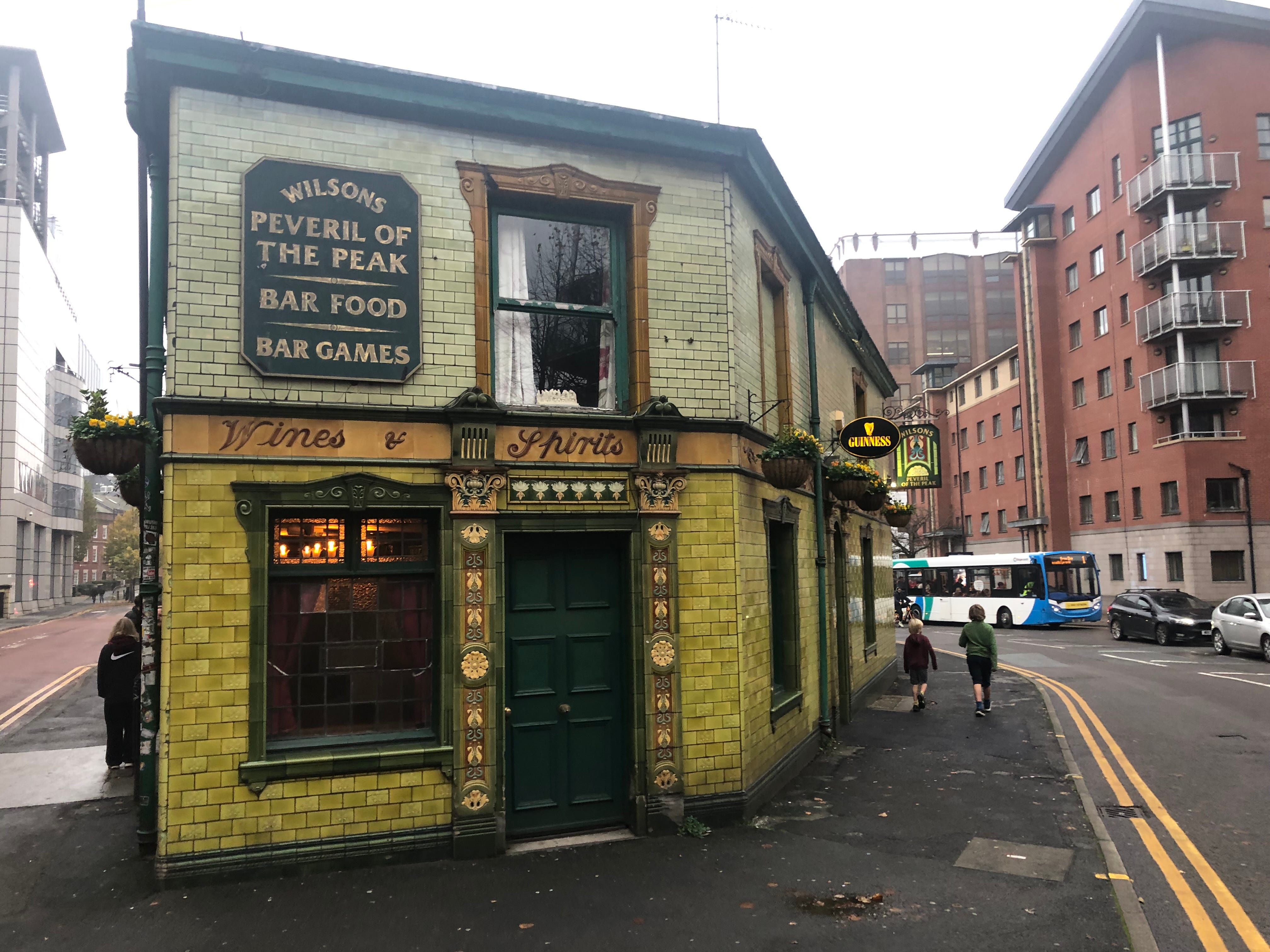
I met Mrs. P in the tearoom where we both enjoyed a welcome cuppa. Tomorrow, we would visit Mrs. Gaskell’s house but for today, all that remained to do was visit a few more of the city’s famous pubs. The Peveril of the Peak has a fantastic unspoilt interior and was named for a Walter Scott novel; The Briton’s Protection, where there are regular poetry evenings and The Salutation, where the Bronte family stayed in 1846.
The city has so much more to offer than we could possibly see in a single day, so a return journey is an absolute must. I don’t think we even scratched the surface of this rebellious, yet welcoming and unique city.
 Literary Britain
Leave a comment